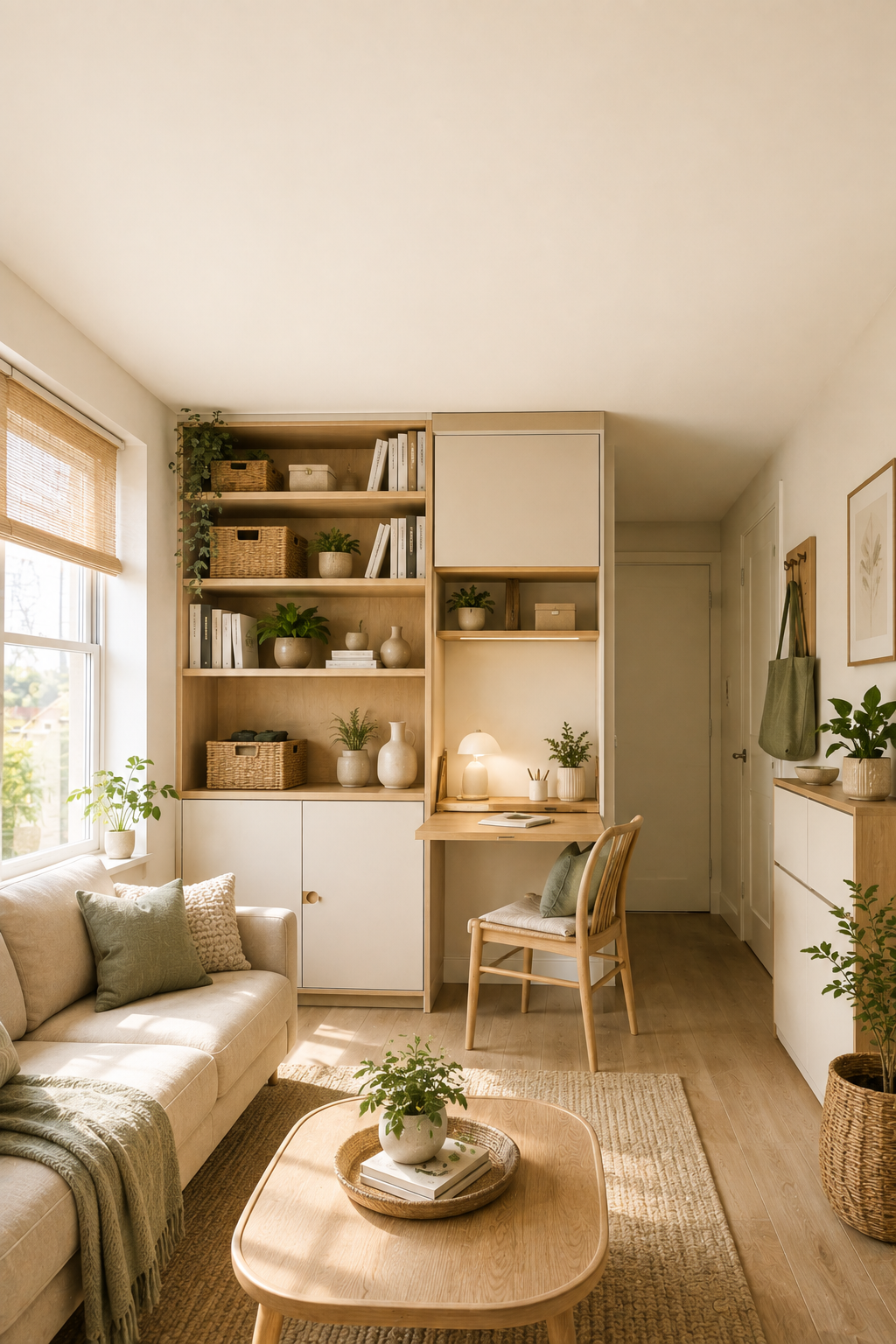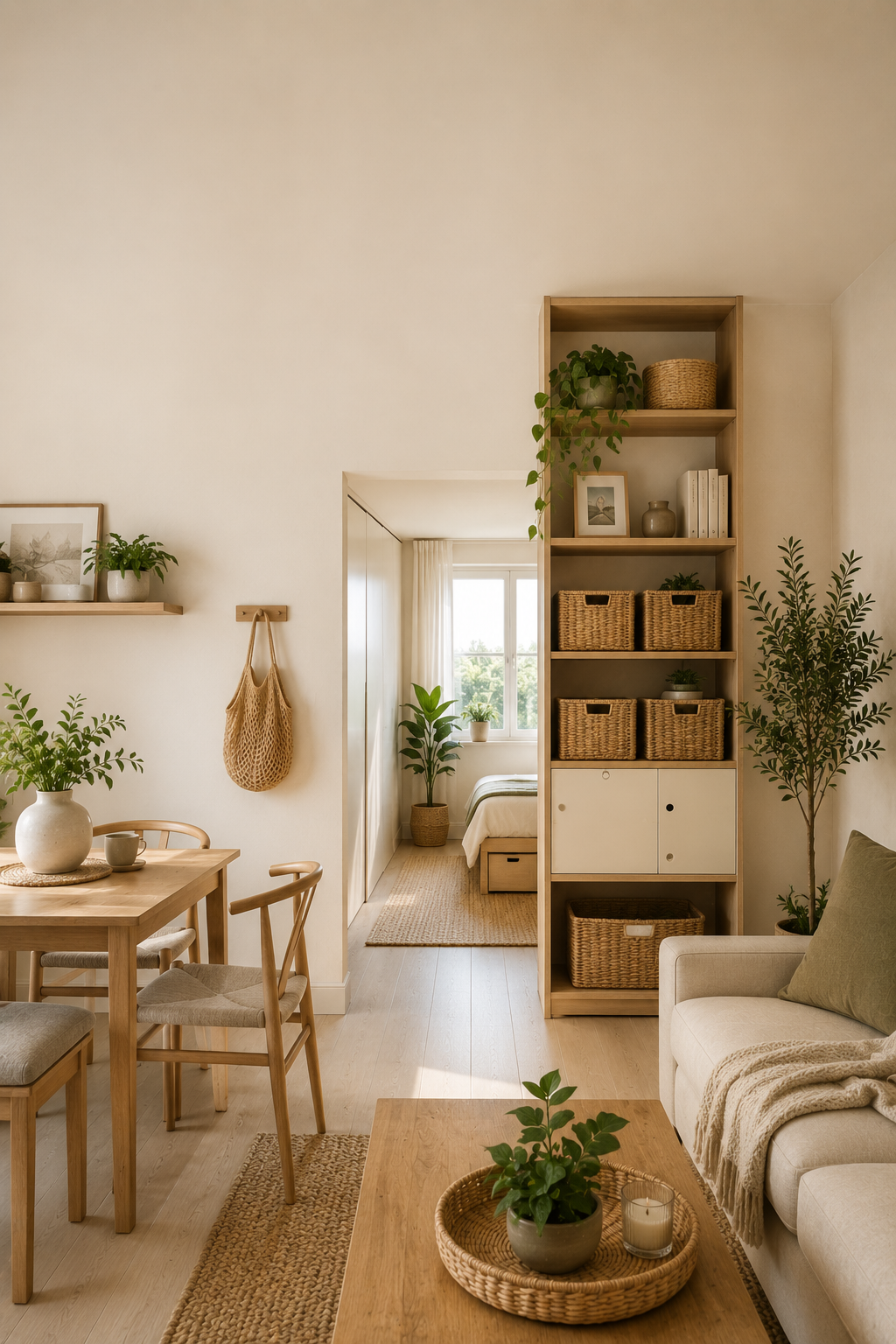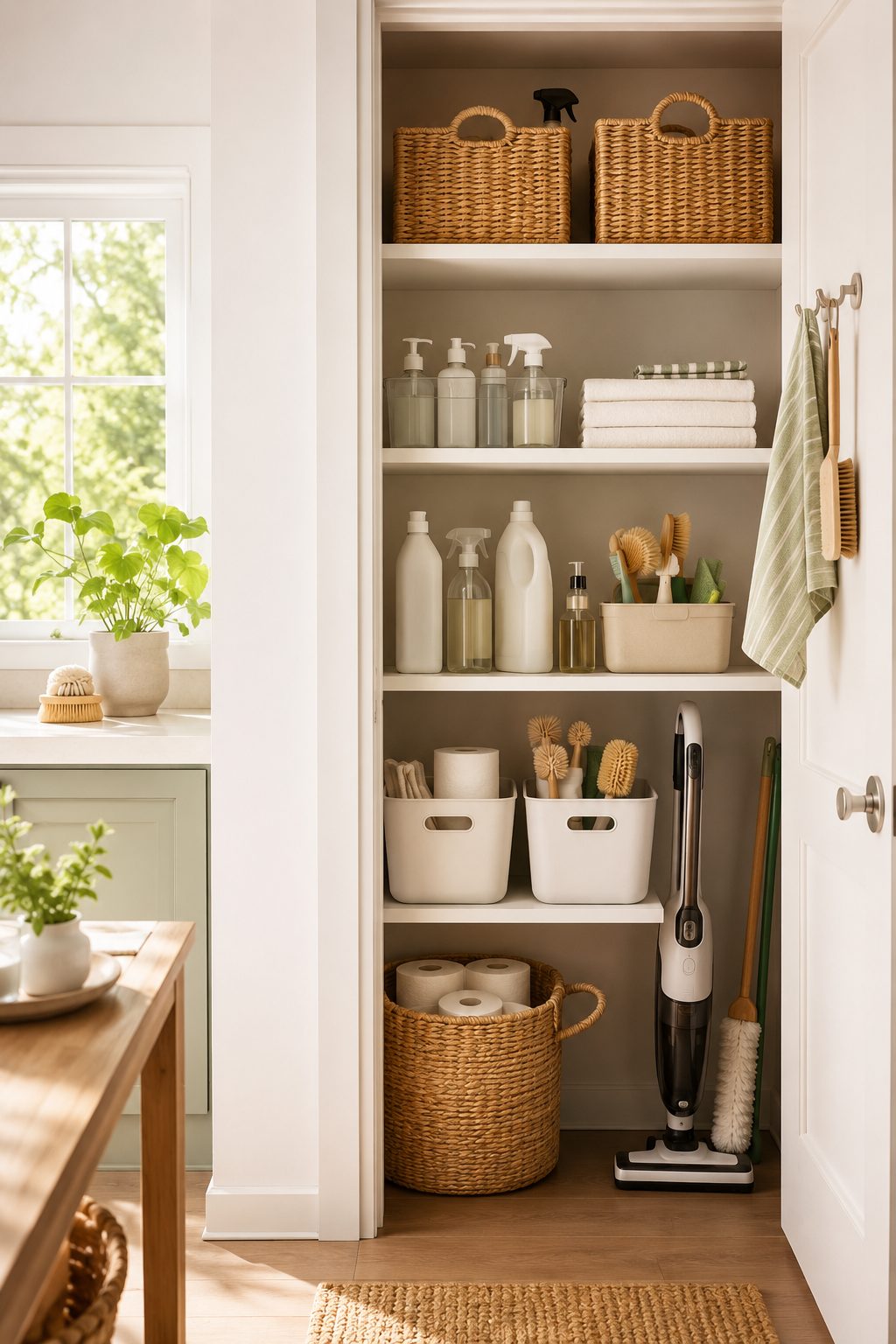
A home doesn’t need to be spotless every minute of the day to feel clean and comfortable.
In fact, trying to maintain a perfectly spotless home can quickly become exhausting.
A more realistic approach is to build a few simple habits into your everyday routine so that dirt, clutter and small messes don’t have the opportunity to build up.
Think of it as home maintenance rather than constant cleaning.
A few minutes here and there can make a noticeable difference to how your home looks and feels.
The key is consistency.
Instead of waiting until everything needs attention, deal with small things while they’re still small.
Here are nine simple home-care habits that can help you keep your space looking fresher with less effort.
1. Make the Bed Each Morning
This may sound almost too simple, but making the bed can have an outsized effect on how a bedroom looks.
The bed is usually one of the largest visual elements in the room.
When it’s neatly made, the entire bedroom can immediately appear more organized.
It doesn’t have to involve elaborate styling.
Simply:
- Straighten the sheets
- Arrange the pillows
- Pull the duvet or blanket into place
- Remove anything that doesn’t belong on the bed
The process can take only a few minutes.
Why it works
You’re not really cleaning anything.
You’re simply resetting one of the largest areas of the room.
That small visual improvement can make the rest of the bedroom feel easier to manage.
2. Deal With Kitchen Messes Promptly
The kitchen is one of the easiest places for a small mess to become a bigger one.
A little food residue becomes dried-on residue.
A few dishes become a full sink.
A small spill becomes something you have to scrub later.
Whenever practical, deal with kitchen messes soon after they happen.
For example:
- Wipe a spill
- Put ingredients away
- Rinse suitable dishes
- Return utensils
- Clear food scraps
Don’t aim for a perfect kitchen
The goal is simply to prevent small problems from accumulating.
A quick reset after cooking can make the next meal much easier to prepare.
3. Give Everything a Home
One of the biggest causes of household clutter isn’t necessarily the amount of stuff you own.
It’s the fact that some things don’t have a designated place.
If there’s no obvious home for the mail, charger, shoes, keys or blanket, they’ll eventually end up wherever you happened to put them down.
Create simple homes for frequently used items.
For example:
- Keys → tray or hook
- Shoes → shoe storage
- Blankets → basket
- Chargers → drawer
- Mail → designated organizer
When putting something away requires very little thought, you’re more likely to do it consistently.
4. Do a Five-Minute Evening Reset
You don’t need to spend an hour tidying every night.
A short reset can be enough to prevent clutter from accumulating.
Set aside a few minutes to:
- Put belongings back
- Clear obvious clutter
- Return cushions
- Fold or store blankets
- Put dishes away
- Wipe surfaces where necessary
You don’t have to clean the entire house.
Focus on the areas that became messy during the day.
Why evenings can work well
You finish the day with the home reasonably reset and wake up to a more organized environment.
That can make the next morning feel noticeably easier.
5. Don’t Let Laundry Become a Permanent Pile
Laundry can quickly become one of those household tasks that seems to grow overnight.
The solution isn’t necessarily doing laundry every day.
It’s having a simple system.
Use a suitable laundry basket or sorter and establish a routine that works for your household.
Depending on your needs, you might separate:
- Everyday clothing
- Towels
- Bedding
- Delicates
But don’t create more categories than you actually need.
Keep clean and dirty laundry separate
Clean clothes waiting to be folded should have a different temporary location from dirty laundry.
Otherwise, the chair in the bedroom can quickly become a confusing combination of both.
6. Wipe High-Touch and Frequently Used Areas Regularly
Some surfaces are handled constantly throughout the day.
Depending on your household, these may include:
- Door handles
- Light switches
- Cabinet handles
- Appliance handles
- Frequently used surfaces
Keeping them reasonably clean can contribute to an overall feeling of freshness.
The exact cleaning frequency depends on the surface, household and how heavily it is used.
Always use cleaning products appropriate for the material.
Keep the process simple
You don’t need to turn this into a major cleaning session.
If a surface needs attention, deal with it as part of your normal routine.
7. Ventilate Your Home When Appropriate
Fresh air can make a room feel noticeably different.
When weather, outdoor conditions, security and your home’s ventilation setup allow it, opening suitable windows or using appropriate ventilation can help refresh indoor air.
This can be particularly useful after:
- Cooking
- Showering
- Cleaning
- Spending long periods in a closed room
Don’t rely on open windows in every situation
Ventilation needs vary depending on climate, outdoor air quality, allergies, security and the design of your home.
Use the ventilation approach that’s appropriate for your environment.
8. Put Things Away After Using Them
This is one of the simplest habits—and one of the most powerful.
Instead of thinking:
“I’ll put it away later.”
try to return something to its usual place once you’re finished with it, whenever practical.
Examples:
Finished reading?
Return the book.
Finished cooking?
Put the ingredients away.
Finished getting dressed?
Put the clothing where it belongs.
Finished using a beauty product?
Return it to storage.
Why this works
Every item you put away immediately is one less thing waiting for a future tidy-up.
You’re preventing clutter instead of repeatedly cleaning it up.
9. Do a Weekly “Home Reset”
Even with good daily habits, some areas still need a more thorough reset.
Choose a day or time that works for your household and spend some time checking the home.
You might:
- Vacuum or sweep
- Dust
- Clean bathrooms
- Change appropriate bedding
- Empty bins
- Organize surfaces
- Check the kitchen
- Restock household supplies
You don’t have to do everything in one session.
Break the tasks into manageable sections if that works better.
The goal is maintenance
A weekly reset shouldn’t feel like rescuing a completely neglected house.
The daily habits should have already taken care of much of the small stuff.
The “Don’t Put It Down, Put It Away” Habit
This simple phrase captures much of what makes a home easier to maintain.
When you’re holding something that has a designated home, return it there instead of creating another temporary pile.
Of course, real life isn’t always that tidy.
Sometimes you’re busy.
Sometimes you’re tired.
That’s normal.
The idea isn’t perfection.
It’s simply reducing the number of items that accumulate in random places.
How to Keep a Small Home Looking Fresh
Small homes can feel cluttered quickly because there’s less visual and physical space between belongings.
That’s why the habits above can be particularly useful.
Keep surfaces relatively clear
You don’t need completely empty surfaces.
Just avoid letting everyday items accumulate indefinitely.
Use concealed storage
Closed cabinets and drawers can help contain visual clutter.
Give frequently used items easy homes
If something is difficult to put away, you’re less likely to do it.
Avoid unnecessary duplicates
Before buying another storage container, check whether you already have something that could do the job.
Reset high-traffic areas regularly
Entryways, kitchens and living rooms often accumulate the most everyday clutter.
A Simple Morning Routine
You don’t need a complicated schedule.
A quick morning reset might look like:
Bedroom
Make the bed.
Kitchen
Clear breakfast dishes.
Living area
Return anything left out overnight.
Entryway
Put away shoes or bags that don’t need to remain there.
It can take only a few minutes.
The benefit is starting the day with the home already reasonably organized.
A Simple Evening Routine
At the end of the day:
1. Reset the kitchen
Put away food and deal with obvious dishes.
2. Clear the living area
Return blankets, books and miscellaneous items.
3. Reset the bedroom
Put clothing where it belongs.
4. Check the entryway
Put away shoes, bags and other items.
5. Stop
You don’t need to continue cleaning simply because you started.
The objective is a manageable reset, not an exhausting cleaning marathon.
Don’t Try to Clean Everything Every Day
This is an important distinction.
Some tasks are daily maintenance.
Others are weekly, monthly or occasional.
For example:
- Daily: obvious spills, dishes, clutter resets
- Weekly: floors, bathrooms, dusting and suitable linen changes
- Occasionally: deep-cleaning appliances, high surfaces and less frequently used areas
The exact schedule depends on your household.
Separating tasks by frequency prevents you from feeling like every part of your home needs attention every single day.
Small Habits Can Reduce Cleaning Time
Consider the difference between:
Wiping a fresh spill
and Scrubbing dried residue later.
Or:
Putting five things away
and Cleaning an entire cluttered room.
Or:
Rinsing a dish
and Dealing with a sink full of dried-on dishes.
The point isn’t that every task must be handled immediately.
It’s that small amounts of maintenance can prevent larger jobs from developing.
Make Your Home-Care Routine Easier
Your habits will be easier to maintain if your home supports them.
Keep cleaning cloths where they’re accessible.
Keep a suitable laundry basket where clothes naturally accumulate.
Keep a small waste bin in areas where rubbish is frequently generated.
Store everyday kitchen tools where you can reach them.
Use baskets to contain items that tend to wander around the home.
Reduce friction
If the correct action is the easiest action, you’re more likely to do it.
That’s one of the principles behind a functional home.
What If You Fall Behind?
It happens.
You have a busy week.
You’re travelling.
You’re tired.
Your normal routine disappears.
Don’t respond by trying to clean the entire house at once.
Instead:
Start with the kitchen.
Then:
Clear the main living area.
Then:
Reset the bedroom.
Then:
Clean the bathroom.
You can break the work into smaller sessions.
A home doesn’t have to be perfect before you begin.
Final Thoughts
Keeping a home fresh isn’t about constantly cleaning.
It’s about creating small systems that prevent everyday mess from becoming overwhelming.
Make the bed.
Put things away.
Deal with kitchen messes.
Keep laundry contained.
Reset the main living areas.
Ventilate appropriately.
And give yourself a manageable weekly reset.
None of these habits is revolutionary on its own.
But together, they can make home maintenance feel much less demanding.
Smart Space Finds takeaway
A well-maintained home is usually built through small, repeatable habits rather than occasional exhausting cleaning marathons.
Don’t aim for perfection.
Aim for a home that’s easy to reset.
When your storage, routines and cleaning tools work together, keeping the space fresh becomes much more manageable.
For more ideas in the same spirit, explore the organization section, or keep going with our guide to 10 genius small-space storage ideas and the kitchen and small spaces sections.