A home does not need to be perfectly minimalist to feel organized.
Often, the difference between a room that feels calm and one that feels cluttered comes down to where everyday things are stored.
The best storage solutions are not necessarily the biggest or most expensive. They are the ones that make frequently used items easy to find while keeping unnecessary visual clutter under control.
Here are 10 practical storage ideas that can help make your home feel more organized without making it feel overly designed.
01. Make Use of Vertical Space
When floor space is limited, look upward.
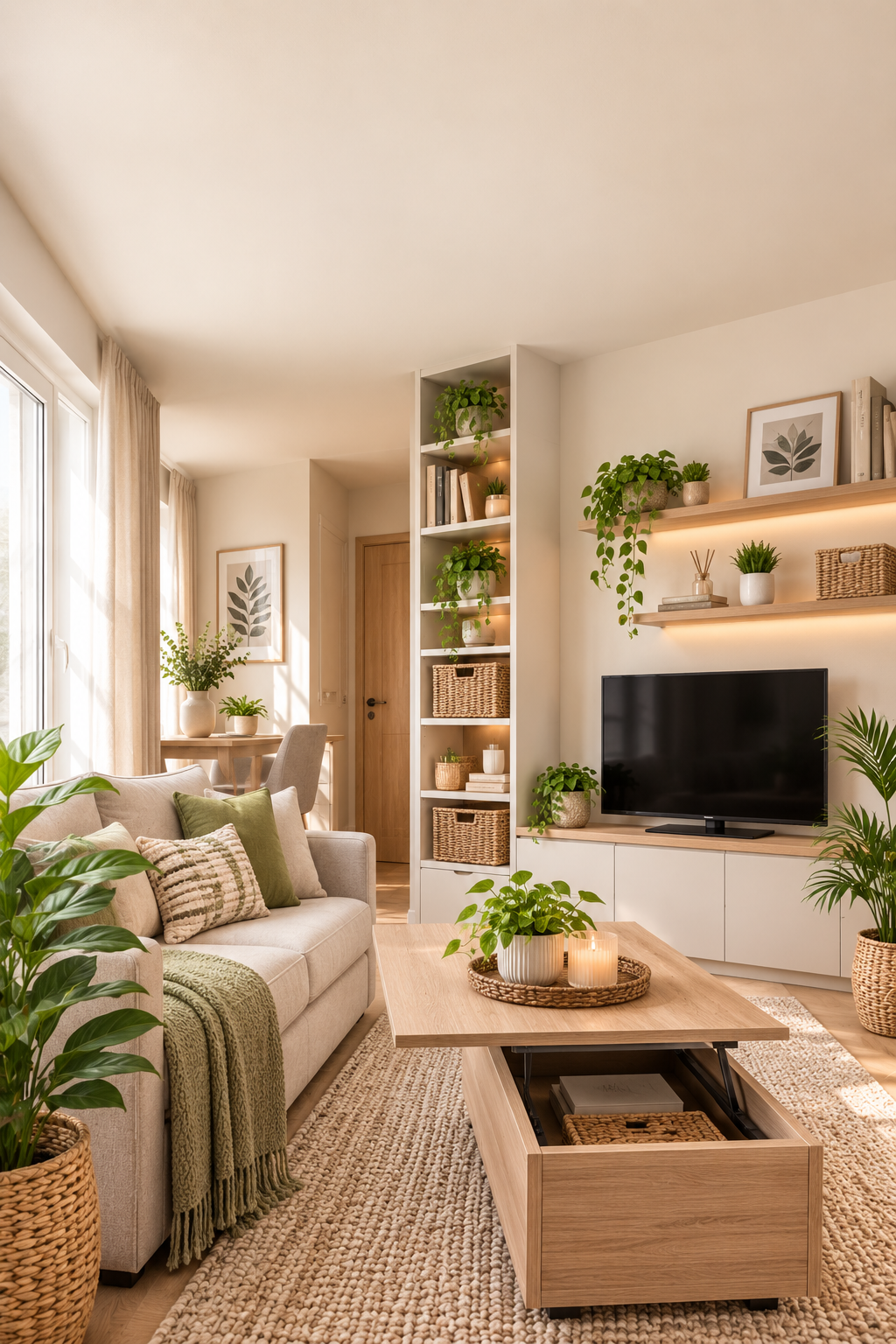
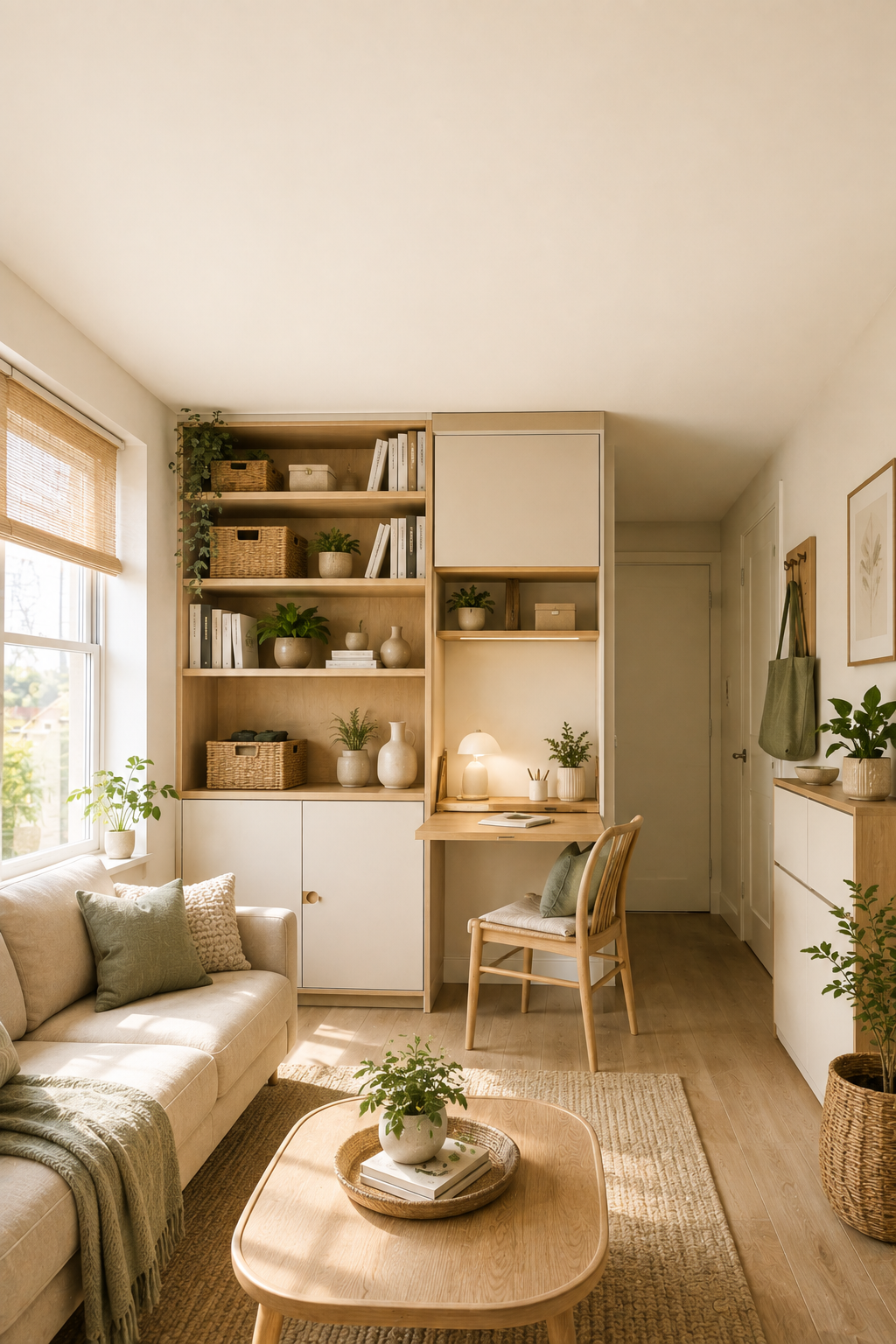
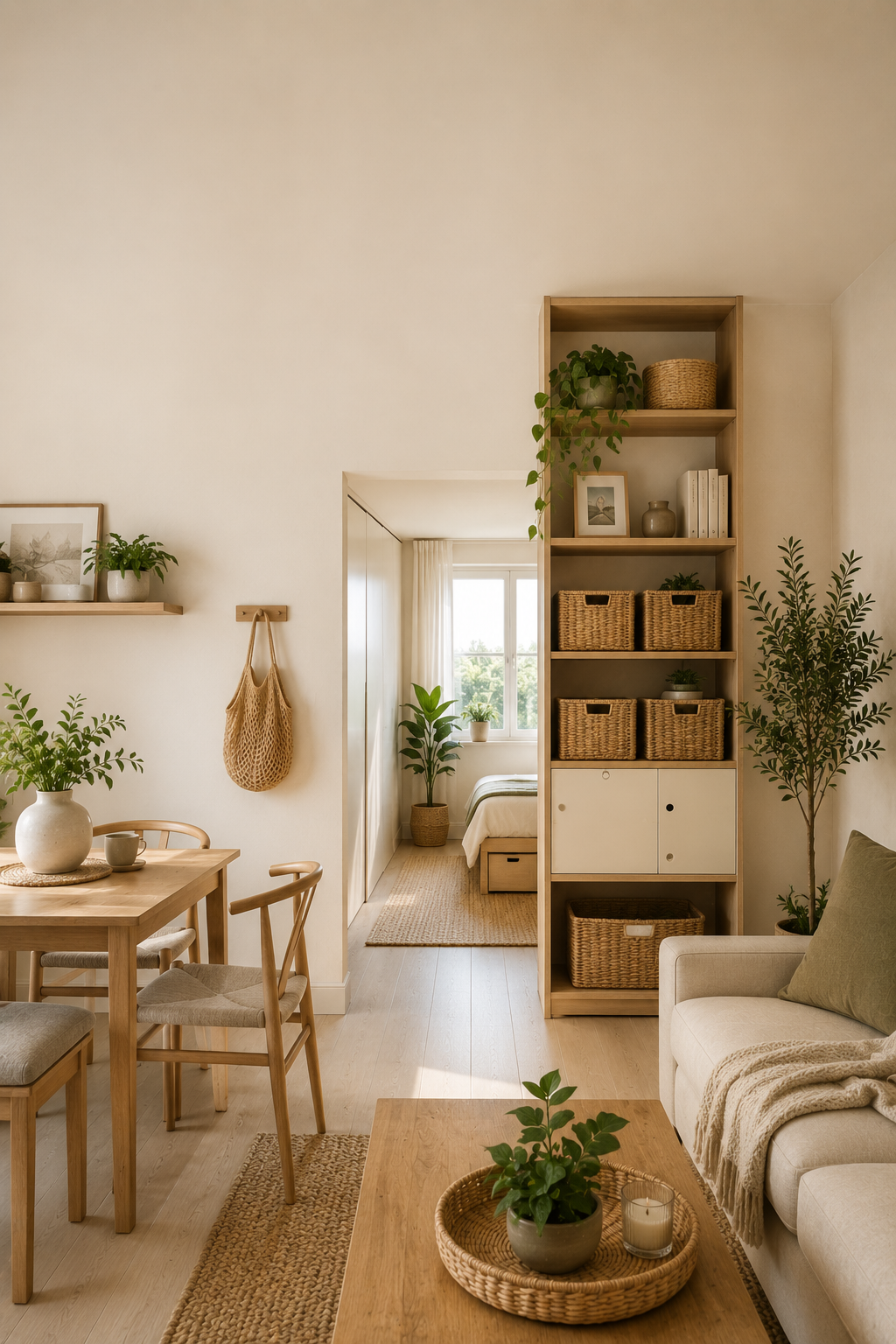
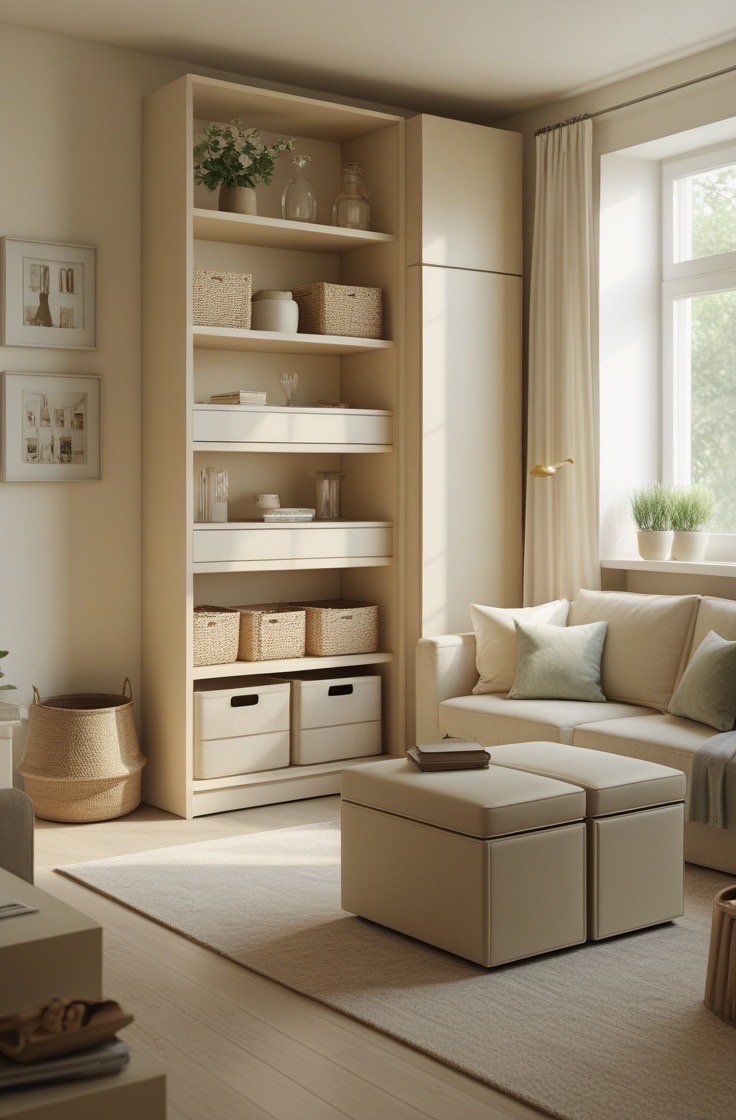
Wall shelves, tall bookcases, and vertical cabinets can provide valuable storage without taking up much additional floor space. Vertical storage is particularly useful in smaller living rooms, bedrooms, and entryways.
02. Use Baskets to Contain Everyday Clutter
Baskets are useful for items that do not necessarily have a permanent home. Think blankets, magazines, children's toys, remote controls, or accessories.
Instead of trying to hide everything in a cabinet, a well-placed basket can keep frequently used items together while still looking intentional.
03. Give Every Frequently Used Item a Home
One of the simplest ways to maintain organization is to decide where things belong.
Keys, chargers, blankets, books, and everyday accessories should have designated places. When something has a logical home, putting it away becomes much easier.
04. Use Storage Furniture That Does More Than One Job
Look for furniture that combines function with storage.
A storage ottoman can provide seating and hide blankets. A coffee table with a lower shelf can hold books and baskets. A sideboard can provide both concealed storage and a surface for décor.
The goal is to make the furniture you already need work harder.
05. Keep Everyday Items Within Easy Reach
Storage should not make your daily routine harder.
Things you use frequently should be easy to access. Reserve higher shelves, deep cupboards, and less convenient storage areas for items you use occasionally.
06. Do Not Ignore Small Spaces
The space behind a door, underneath furniture, or beside a cabinet can sometimes become useful storage.
Slim shelves, hooks, and narrow organizers can turn overlooked areas into functional storage zones.
07. Use Trays to Organize Open Surfaces
A tray can make a coffee table, console, or countertop feel more organized without removing everything from sight.
Group similar items together rather than scattering them across the surface. For example, a tray could hold candles, a small vase, and a decorative object.
08. Create a Simple Entryway Drop Zone
An entryway can quickly become a clutter magnet.
Create a designated place for everyday essentials such as keys, bags, shoes, and coats. A small console, basket, hooks, or wall shelf can make a noticeable difference.
09. Keep Visible Storage Beautiful
Not everything needs to be hidden.
Open shelving works particularly well when practical objects are arranged with a few decorative pieces. Mix books, baskets, plants, and simple objects rather than filling every shelf.
10. Organize Around How You Actually Live
This may be the most important rule.
Do not organize your home based solely on how it looks in photographs. Think about your daily habits.
If you always drop your keys by the door, create storage there. If you use blankets every evening, keep them near the sofa.
Good organization should support your routine, not fight against it.
Final Thoughts
A more organized home does not require a complete makeover.
Start with one problem area. Give frequently used items a logical home, make use of overlooked space, and choose storage that works with your lifestyle.
Small changes can make everyday spaces feel noticeably calmer and easier to use.