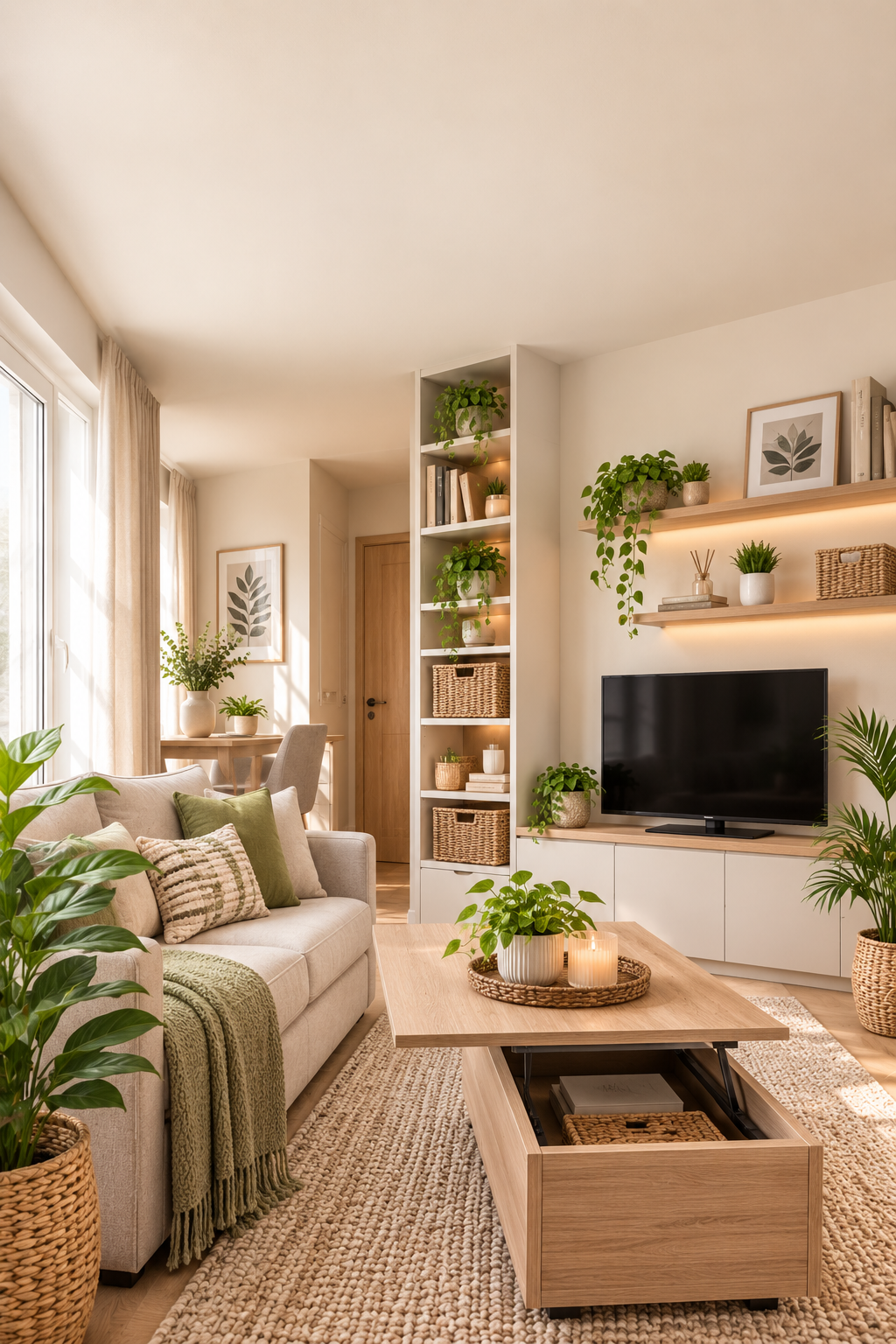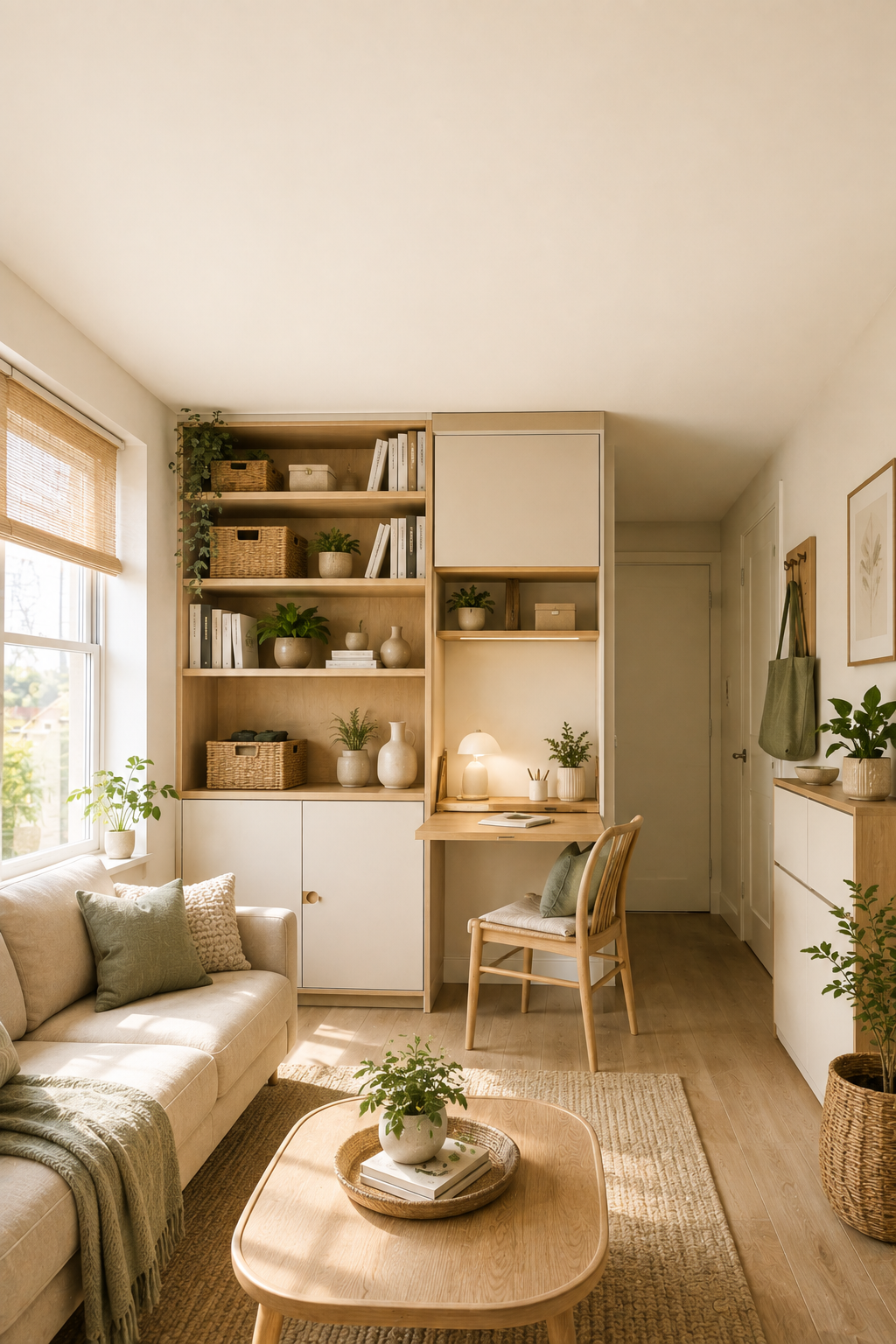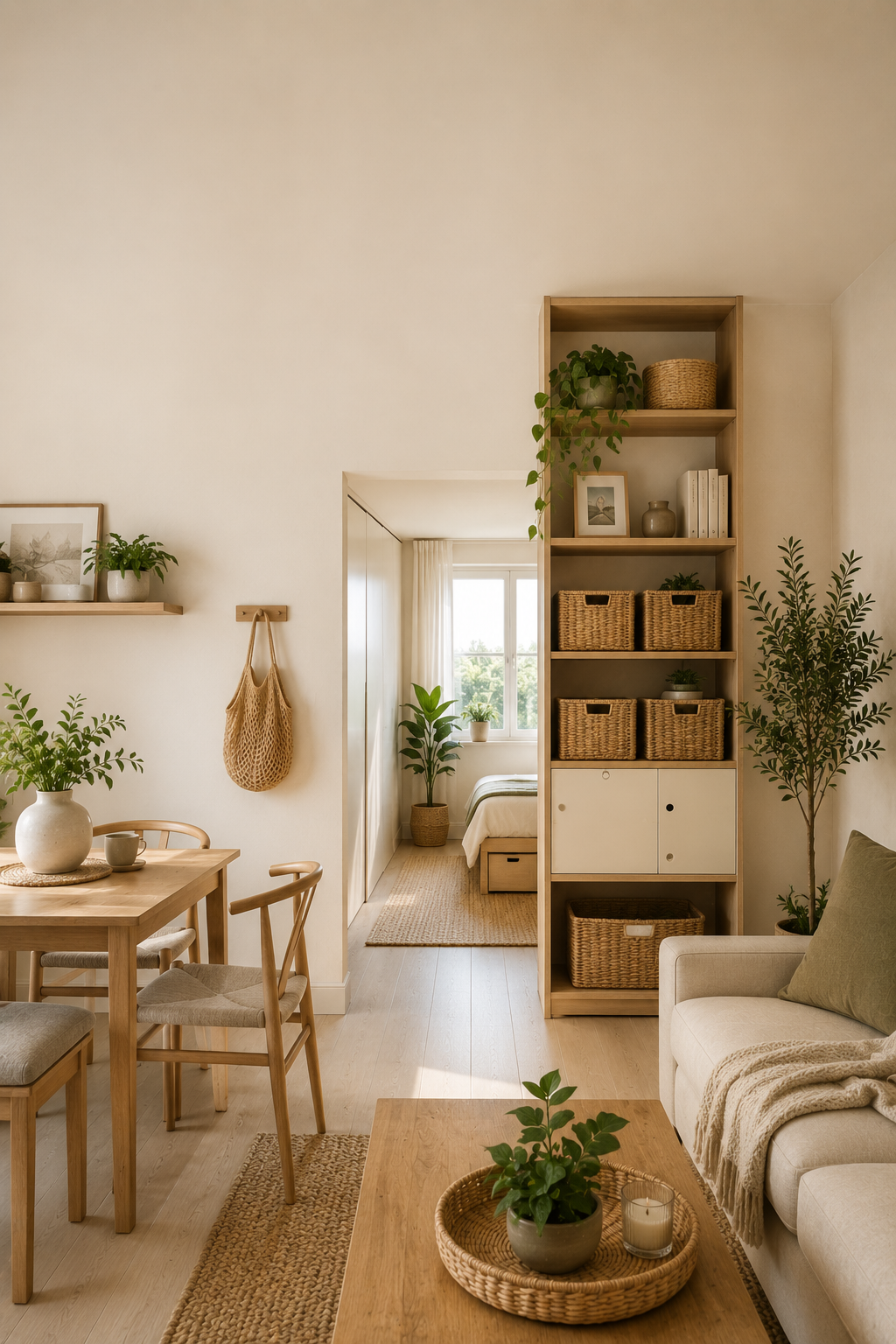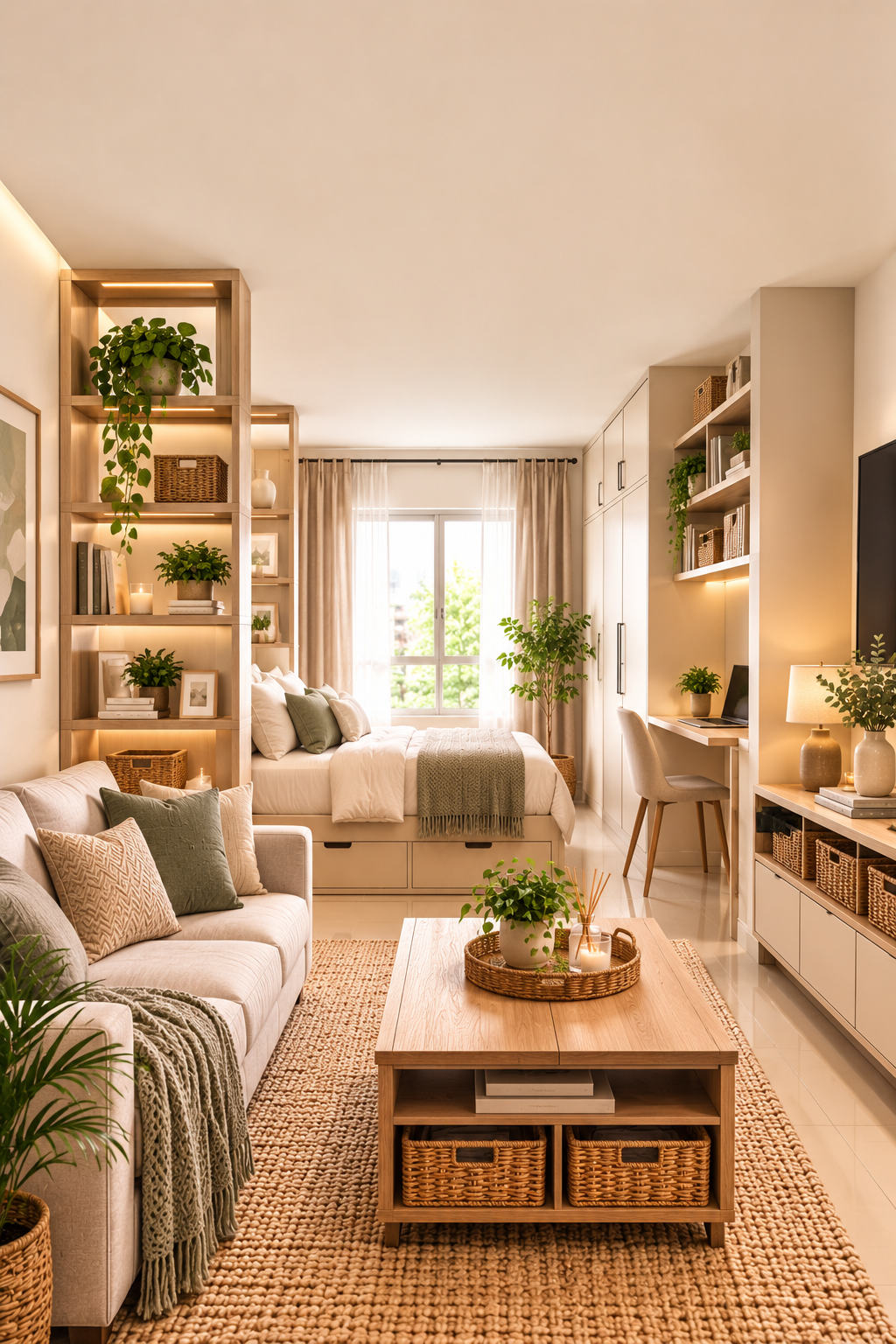
Neutral interiors have a reason they continue to be popular.
They’re versatile, calming and relatively easy to update as your style changes. More importantly, a neutral home doesn’t have to feel plain, cold or boring.
The secret is understanding that neutral décor is about more than beige walls and white furniture.
A beautiful neutral room can have plenty of personality through texture, natural materials, lighting, shape and carefully chosen accents.
Whether you’re decorating a small apartment, refreshing your living room or simply trying to create a calmer atmosphere at home, a neutral palette can provide a flexible foundation.
And you don’t need to replace everything you own to achieve it.
Sometimes, changing the balance of colors and materials already in the room is enough.
Here are 10 neutral home décor ideas for creating a space that feels calm, warm and timeless.
01. Start With Warm Neutrals
Not all neutrals feel the same.
Bright white can feel crisp and modern, while warmer shades such as cream, ivory, beige and soft taupe can create a more relaxed atmosphere.
For many homes, combining several warm neutrals can create depth without introducing strong colors.
Think:
- Cream
- Warm white
- Beige
- Taupe
- Soft brown
- Greige
The key is to avoid making every surface exactly the same shade.
Layer similar tones
Instead of choosing one beige and using it everywhere, combine slightly different shades.
For example:
Cream walls + beige sofa + warm wood + taupe rug
The colors remain connected, but the differences prevent the room from looking flat.
02. Let Natural Wood Add Warmth
Wood is one of the easiest ways to prevent a neutral room from feeling sterile.
A wooden coffee table, console, dining table, shelving unit or picture frame can introduce warmth while still working within a neutral palette.
Natural wood also adds texture and visual variation.
You don’t need matching wood everywhere
In fact, using exactly the same wood finish throughout the room can sometimes make the space feel overly coordinated.
Different but complementary wood tones can create a more natural appearance.
The important thing is to keep the overall undertones reasonably compatible.
03. Layer Different Textures
Texture is particularly important in neutral rooms because there are fewer strong colors competing for attention.
Without texture, a room made entirely from neutral shades can feel flat.
Try combining materials such as:
- Linen
- Cotton
- Wool
- Woven baskets
- Jute
- Ceramic
- Wood
- Glass
- Textured upholstery
For example, a cream sofa can look much more interesting when paired with a woven rug, knitted throw and textured cushions.
Think beyond cushions
Texture doesn’t only come from soft furnishings.
Your furniture, flooring, baskets, lamps, artwork and accessories can all contribute.
04. Use Black or Dark Accents Sparingly
A completely pale room can sometimes lack definition.
Small amounts of darker accents can provide contrast and help certain features stand out.
You could introduce darker tones through:
- Picture frames
- Lamp bases
- Curtain rods
- Furniture handles
- Small decorative objects
- Artwork
You don’t need much.
A few darker details can anchor an otherwise soft palette.
Keep the contrast intentional
If you introduce too many dark elements, the room can start to feel less soft.
Use them as accents rather than allowing them to dominate the space.
05. Choose Soft, Layered Lighting
Neutral colors respond strongly to lighting.
The same beige wall can look completely different under bright white lighting compared with warm evening illumination.
This is why lighting should be considered part of the décor rather than an afterthought.
Use a combination of:
- Ceiling lighting
- Table lamps
- Floor lamps
- Wall lights
- Appropriate accent lighting
This allows you to change the mood of the room depending on what you’re doing.
Create a warmer evening atmosphere
When you’re relaxing, softer and warmer lighting can make neutral materials feel richer and more inviting.
06. Add Greenery
Plants are a simple way to introduce natural color into a neutral room without disrupting the overall palette.
Green works particularly well with:
- Cream
- Beige
- White
- Natural wood
- Warm brown
You can use:
- A large floor plant
- Small tabletop plants
- Hanging plants
- Plants on open shelving
- Branches in a simple vase
Use greenery as part of the composition
Instead of placing plants randomly throughout the room, think about where the room needs visual balance.
A taller plant beside a sofa can add height.
A small plant on a shelf can soften an otherwise hard arrangement.
One piece, connected to the room
07. Keep the Main Furniture Simple
Neutral décor works particularly well when the major furniture pieces have relatively timeless shapes.
This doesn’t mean everything needs to be minimalist.
It simply means avoiding furniture that is so trend-driven that it quickly dominates the room.
Consider pieces with:
- Simple silhouettes
- Comfortable proportions
- Versatile colors
- Practical functionality
A neutral sofa, wooden table or simple storage cabinet can remain useful even as your decorative preferences change.
Let smaller pieces provide personality
You can update cushions, throws, artwork and accessories more easily than replacing a sofa or dining table.
This makes a neutral foundation particularly practical.
08. Use Artwork to Give the Room Personality
A neutral room doesn’t have to be devoid of personality.
Artwork can provide an opportunity to introduce visual interest without changing the entire color palette.
Consider:
- Abstract prints
- Botanical artwork
- Landscape photography
- Simple line drawings
- Textured artwork
- Black-and-white photography
You can choose artwork that contains subtle colors from the room’s existing palette.
Think about scale
A tiny piece of artwork above a large sofa may disappear.
One larger piece or a thoughtfully arranged collection can have more impact.
The goal is to make the artwork feel connected to the furniture around it.
09. Use Baskets and Natural Storage
Storage can become part of the décor in a neutral room.
Woven baskets are particularly useful because they provide practical storage while also introducing texture.
Use them for things such as:
- Throws
- Cushions
- Books
- Everyday accessories
- Children’s items
- Miscellaneous belongings
They can sit beneath consoles, beside sofas or on suitable shelving.
Choose storage that matches the room
Neutral doesn’t mean every basket has to be identical.
A mixture of natural woven materials can add character while maintaining the overall calm appearance.
10. Leave Plenty of Breathing Room
Perhaps the most important neutral décor principle is knowing when to stop.
A calm room needs visual breathing space.
You don’t need to fill every shelf.
You don’t need something on every corner.
You don’t need cushions covering the entire sofa.
You don’t need decorative objects on every surface.
Empty space is part of the design
When you leave some areas intentionally clear, the objects you do choose become more noticeable.
This is particularly useful in smaller homes where too many decorative objects can quickly become visual clutter.
How to Make Neutral Décor Feel Warm Instead of Cold
One concern people sometimes have about neutral interiors is that they might feel sterile.
The solution isn’t necessarily adding bright colors.
Instead, introduce warmth through materials and lighting.
Try combining:
- Warm lighting
- Natural wood
- Soft textiles
- Woven materials
- Plants
This can create a comfortable atmosphere while maintaining the neutral palette.
How to Add Color Without Losing the Neutral Look
A neutral room can still have color.
The trick is to use it selectively.
For example, muted green cushions can complement cream and beige.
Soft terracotta can work with warm wood.
Dusty blue can add a subtle contrast to warm neutrals.
You can introduce these colors through smaller, replaceable items such as:
- Cushions
- Throws
- Artwork
- Vases
- Books
- Decorative objects
This allows you to change the room’s appearance without replacing major furniture.
Neutral Doesn’t Mean Everything Must Match
A timeless room shouldn’t look like every item was purchased from the same collection.
Instead, aim for coordination rather than perfect matching.
Your sofa, coffee table, rug, curtains and accessories can all be different.
What connects them is:
- Similar undertones
- Repeated materials
- Complementary shapes
- A consistent color family
This gives the room a more collected and natural appearance.
A Simple Neutral Color Formula
If you’re starting from scratch, you can use a simple structure:
60%30%10%
60% — Main neutral
Walls, large furniture and major surfaces.
30% — Secondary neutral
Rugs, curtains, wood and larger textiles.
10% — Accent
Plants, artwork, darker details or a muted color.
You don’t have to follow these percentages exactly.
Think of them as a starting point for keeping the room balanced.
Neutral Décor for a Small Space
Neutral colors can work particularly well in small rooms, but don’t assume that simply painting everything white will solve the problem.
In a smaller space, also consider:
- Furniture proportions
- Clear walking paths
- Reflective surfaces
- Natural light
- Storage
- Visual clutter
A neutral room can still feel crowded if too many large pieces are packed into it.
Choose multifunctional pieces where possible
A storage ottoman, compact console or furniture with concealed storage can help maintain the calm appearance without sacrificing functionality.
How to Refresh a Neutral Room Without Buying Everything New
If your home already has a neutral foundation, you may only need a small refresh.
Try:
Remove unnecessary décor
Take a few objects away and see whether the room feels calmer.
Change the textiles
Swap cushions or throws for different textures.
Rearrange artwork
Moving artwork can change the visual balance of a room.
Introduce greenery
A plant can add life without disrupting the neutral palette.
Improve lighting
A new lamp or better positioning of existing lights can change the atmosphere.
Rearrange furniture
Sometimes the room needs a better layout rather than more products.
Common Neutral Décor Mistakes
Making everything the same shade
This can make the room feel flat.
Solution: layer several related tones.
Using only hard surfaces
This can make the room feel cold.
Solution: introduce soft and woven textures.
Overusing white
Too much bright white can sometimes feel stark.
Solution: incorporate cream, beige, wood and warmer materials.
Adding too many accessories
Neutral doesn’t automatically mean clutter-free.
Solution: edit your decorative pieces.
Ignoring lighting
Neutral colors can change dramatically under different lighting.
Solution: layer your light sources.
Final Thoughts
A neutral home doesn’t have to be boring.
When done thoughtfully, neutral décor can create a space that feels warm, sophisticated and remarkably easy to live with.
The secret is not simply choosing beige furniture.
It’s about creating layers.
Layer colors.
Layer textures.
Layer lighting.
Add natural materials.
Introduce greenery.
Choose artwork with intention.
And leave enough empty space for the room to breathe.
Smart Space Finds takeaway
The most timeless neutral rooms aren’t empty of personality—they use texture, natural materials and carefully chosen details to create it.
Start with the neutral foundation you already have, then make small, intentional changes rather than trying to transform everything at once.
For more ideas in the same spirit, explore the home décor section, or keep going with our guide to 10 genius small-space storage ideas and the organization and small spaces sections.